Book Review - To Asia With Love

Farang Untamed Travel,
November 2005
 
For Asia Aficionados
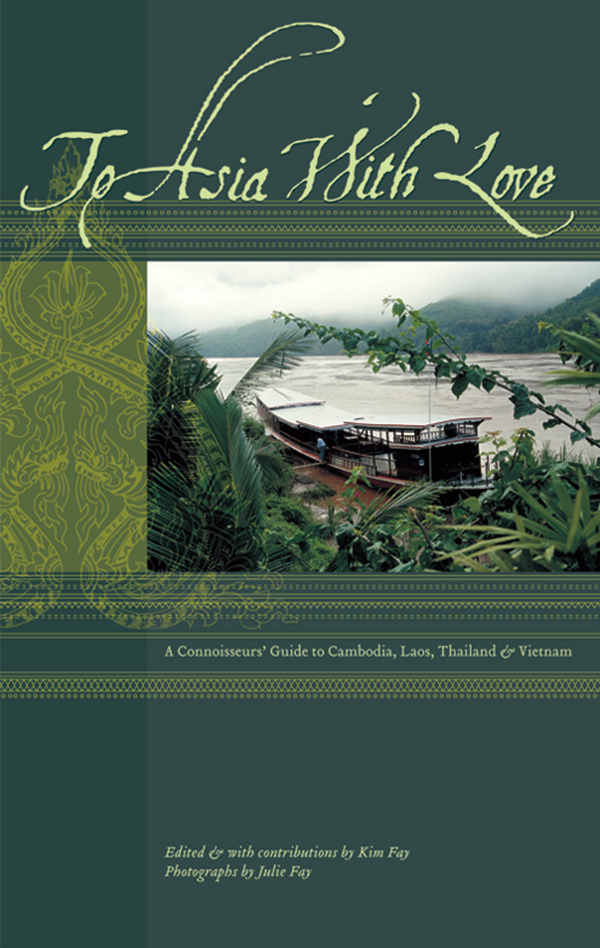
Billed as "a connoisseur's guide to Cambodia, Laos, Thailand & Vietnam," To Asia with Love (ThingsAsian Press, 2004) breaks new ground in the travel writing field by bringing together 50 different writers, adventurers, expats, and English teachers to tell you all about their favourite getaways, shops, dishes, books, museums and adventures. In this excerpt from the book, Jason Smith percolates about trekking up to a Hmong coffee-growing village in Chiang Mai province.
 
The late morning air hovers cool and fresh here at the top of Doi Suthep, the mountain that rises invitingly above the busy city of Chiang Mai. I'm already thinking about the cup of velvety coffee that's waiting for me at the end of my walk through the forest. I give a casual nod to the forest service guy in his bungalow as my feet pass from pavement onto dirt and rock.
 
The high mountain road to the Hmong coffee village is a bit rough for driving, but just right on foot or bike. Other than the occasional old-timer puttering by on a beat-up Honda Dream, I've got the hills to myself. My mind wanders away from the teeming world that lies in the valley below. Butterflies and birdsong keep me company. A couple of clear streams give me an excuse to pause and admire the multi-hued flowers that dot the hills.
 
Around a bend, two Hmong women emerge from the curtain of jungle. The colours of their clothes splash against the green. Their arms are full of herbs and vegetables. When they spot me, their conversation stops, they smile shyly, and disappear back into the jungle. Below me sprawls the metropolis of Chiang Mai, but up here I'm a stranger in a strange land. After just the right amount of walking, the welcoming sign announcing "Fresh Coffee" appears. I grab a seat on the deck, sip my coffee and disappear into the terraces of coffee plants sprinkled across the valley.
 
The Coffee Village
Jason explains: Starting at the zoo at the western end of Huay Kaew Road, drive 16km up the mountain - passing Doi Suthep Temple and the Summer Palace - to a small hill tribe market. Continue through this area another 1km and you'll come to a fork in the road. To the left is Meo Doi Pui Village, but you want to turn right and head toward Kun Chang Khian Village, which is 8km away. You won't go all the way to Kun Chang Khian - you'll only drive 3.5km from the fork. At this point the narrow paved road turns to dirt. You will see a small Forest Service shack and a parking area. Leave your motorcycle and enjoy a leisurely walk along the 4WD road. After 4km, you'll come upon fields of dark green coffee plants. Stop at the tiny coffee shop (there's a sign) on the edge of a large field and enjoy a fresh cup of coffee. Another half km up the road is the actual village of Kun Chang Khian. There is nothing at all to see or do in this village, but dropping off to the right is another rough dirt road leading down the mountain to Tung Ting Lake. This is best done on your own; you can rent a Honda Dream motorcycle in town and easily motor yourself up the mountain to the end of the pavement. Walk the remaining 4km to the coffee shack, sit and have a cup of coffee overlooking the fields and then turn around and walk back. The leisurely walking part of this tour takes about an hour and a half each way.
 
Voices from the Road
Review by Blake Cheetah
Farang Untamed Travel, November 2005
 
Most guidebooks are limited to only a couple or writers, and voices, but this one is a real choir (sometimes dissonant, sometimes harmonious), which really represents the polyglot traveller's world of today, and is the strong suit of the ThingsAsian website, even of one can quibble that there are not any Scandinavian or German writers, and that there could be some more Asian voices, too.
 
Having expats and travelers reveal their favorite getaways, festivals, shops and eating experiences makes this a unique entry in the library of travel lit. And the layout of the book, heavy on green, is visually striking and reader engrossing.
 
Some of the standout articles are Bill Hutchins' gorgeously written story about his odysseys on Laos rivers - a fitting eulogy for the late writer - and Janet Brown's piece about sneaking across the Thai border to visit a fantastical Khmer temple. The story by editor Kin Fay about Vietnamese literature is also an eye-opener.
 
The combination of practical travel info in the boxes at the end of the chapters, combined with the more experiential tales, strikes a good balance between the anecdotal and the practical. Which also makes To Asia with Love a good read for both expats and visitors.
 
At first readers may be a mite bewildered by the helter-skelter structure of the book and, indeed, each chapter. But then I got to thinking that it does conjure up the chaotic nature of many Asian cities and societies, and the travel experience itself.
 
On the downside, the Thai New Year celebration (awash with water throwing), and bits of etiquette, like not touching people on the head, are commonplace in almost all of the freebie travel brochures in Thailand, and the bigger guides like Lonely Planet.
 
There's not a lot of human interest stories in the book, unfortunately, and the Vietnamese folktale may have worked as part of a chapter on Asian folklore. Where the tale stands now, it sticks out like a broken arm.
 
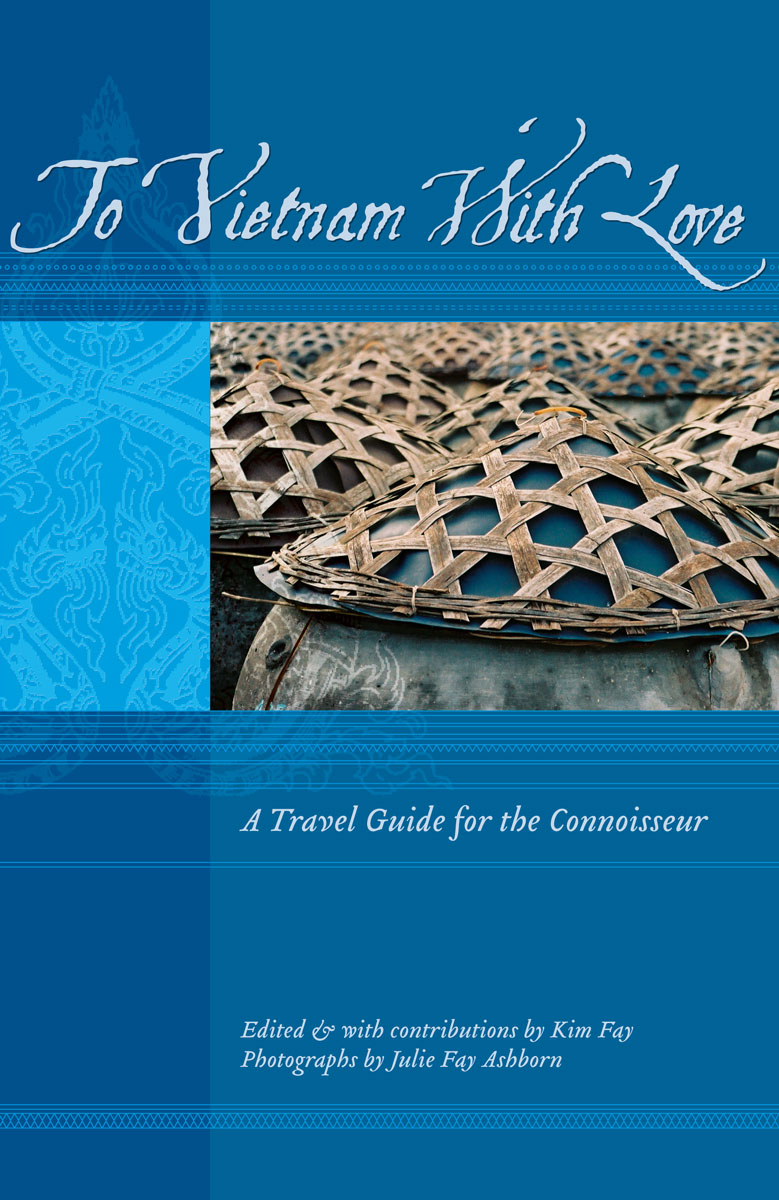
For the most part, the photos by Julie Fay are nice touches, but images of temples and monks, no matter how technically good, remain postcard clichés. Julie's images are more evocative when she focuses her creative powers on landscapes such as the cover shot.
 
Overall, the anthology's flavour is kind of a pot-luck dinner of Asian delicacies and garden-variety dishes; some of the stories might not be to everyone's taste, but there's such a buffet of choices that any reader should come away feeling satisfied.
 
For a grand finale, Phuong Tran's story about practicing meditation at a Vietnamese temple and how she brought the wisdom she acquired to New York with her, "like a folded and refolded recipe, the dog-eared page of a beloved poem, a creased grade school love note (Will you go with me?)" rounds out the anthology beautifully, as it illustrates Asia's ability to stay with and impart lessons to visitors well down the road and the years.
 
Back to To Asia With Love

ThingsAsian Press presents books and gifts inspired by Asia. This unique and expanding collection includes travel experiences and tips from frequent visitors to the countries of Asia.

©1994-2010 Global Directions, Inc. All Rights Reserved. Web Design by Dayspring